What Time Of Day Is Best For Seeing Dolphins?
Dolphin timing in Kaikoura explained: early morning inshore movement from October to May, the DOC rest period, and how season and day trip length shape what you see.
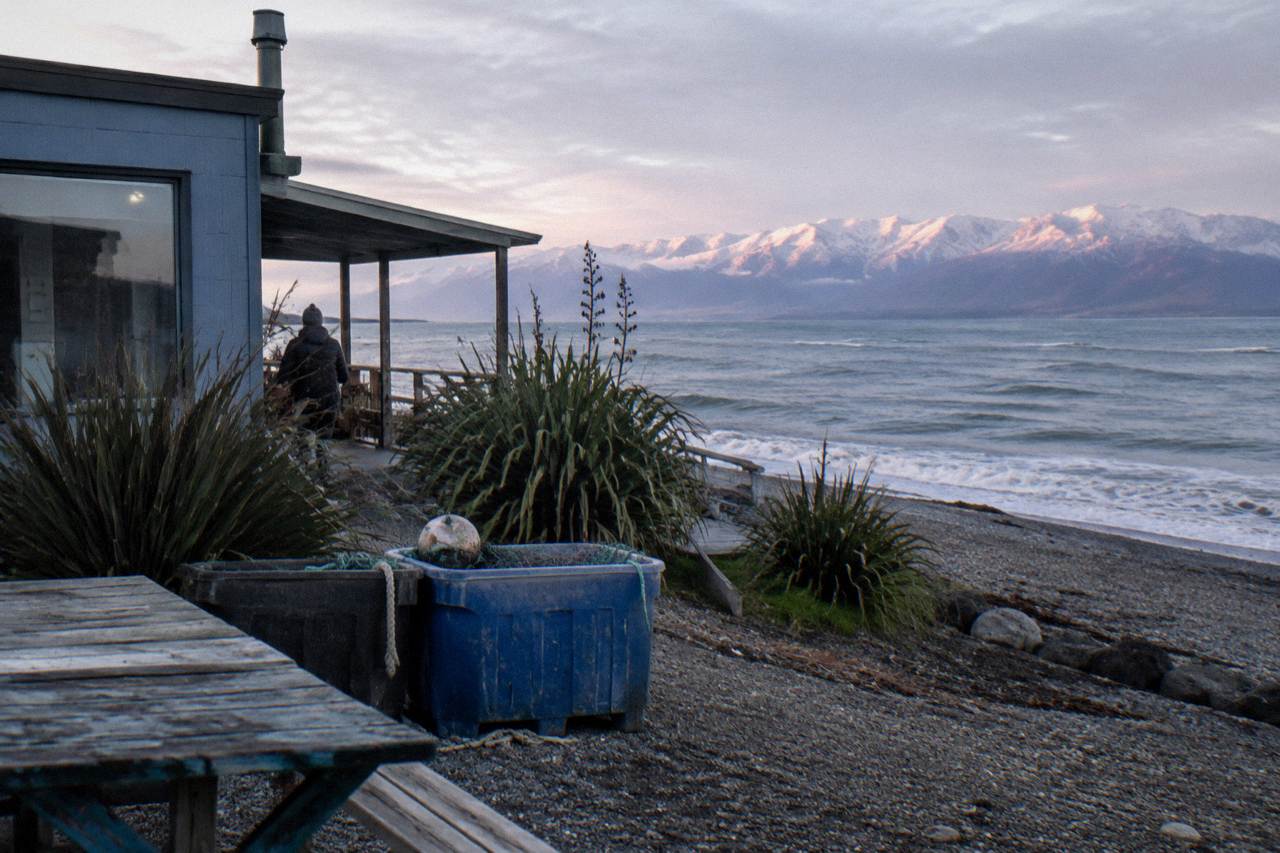
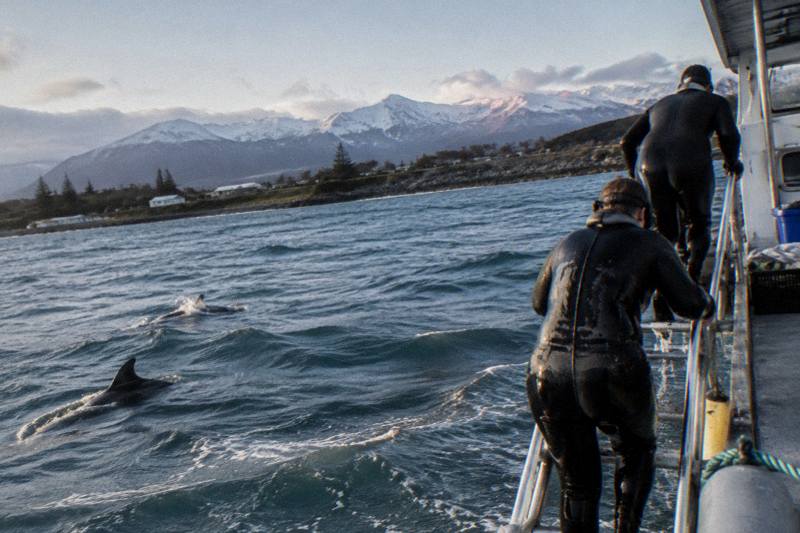
There is no single best hour, and no honest operator will promise one, but early morning has the strongest case: from October to May the dusky dolphins move inshore to the southern side of the Kaikoura Peninsula, which tends to put them closer to the boats. Keep in mind that DOC restricts dusky dolphin viewing from 11.30 am to 1.30 pm between November and March, a rest period, so midday outings are shaped around that.
That is the honest shape of the answer. Kaikoura's dusky dolphins are present in the area all year round, DOC describes groups of several hundred to over 1000 animals, and the question of "when" is really a question of where the pods are sitting relative to the coast at the moment a boat goes out. The dolphins set that schedule, not the tour desk.
The seasonal half of the pattern matters just as much as the daily half. From June to September, the operator says, the duskies range further offshore over a greater area, so a morning advantage matters less than the plain fact that the boat may have to travel further to reach them. From October to May the inshore early morning movement returns to the southern side of the peninsula, and that is the window the local operators describe when asked about timing.
For most readers of this site, the timing decision is not which departure to pick anyway. It is which dolphin day trip from Christchurch to book, because every bookable dolphin product here is a Christchurch day trip or two day package that bundles the Kaikoura dolphin boat outing. Those day trips run 10 to 12 hours door to door, the coach operator sets the schedule, and the boat slot inside the day is fixed when you book. In other words, you are choosing a day, not an hour.
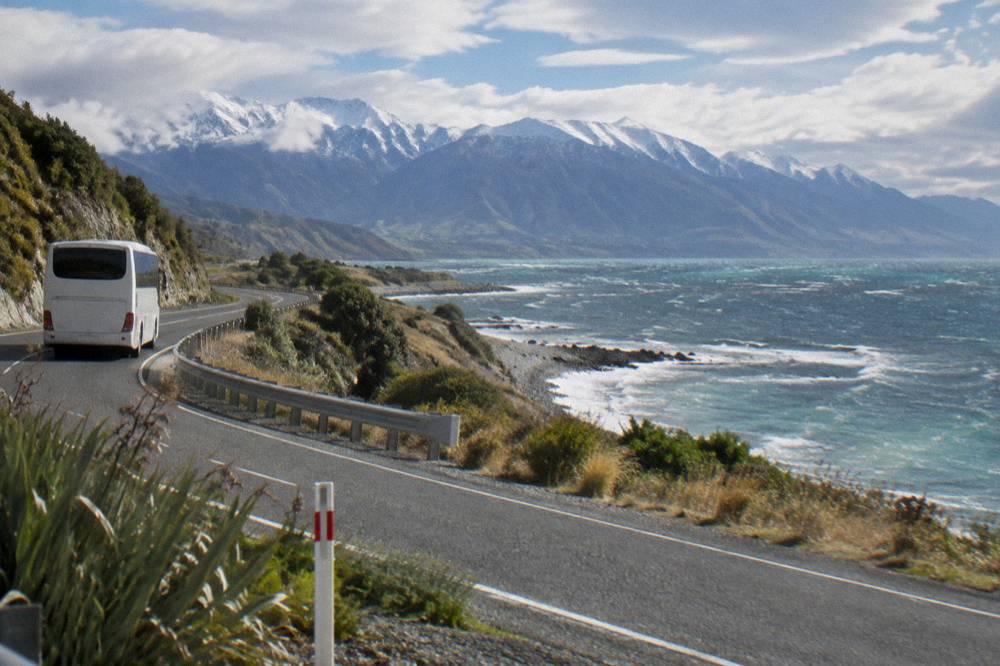
The three day trips above show the practical range. The Dolphin Encounter, Meal Included trip from Cheeky Kea Tours is the watch only option, 10 hours, from $217.00 per person, rated 4.3 across 15 reviews. The 12-Hour Dolphin Swim Day Trip from Leisure Tours is the swim format, from $283.14, rated 4.5 across 29 reviews. The Luxury Small Group trip from Canterbury Trails, from $592.95, caps the group at 8 and includes lunch. All three start in Christchurch with pickup, and all three hand the water timing to the boat operator on the day.
When Are Dusky Dolphins Closest To The Kaikoura Shore?
From October to May, the Kaikoura dolphin boat operator says the duskies move inshore in the early morning to the southern side of the Kaikoura Peninsula, which is when they tend to sit closest to the coast. From June to September they range further offshore over a greater area, so the inshore morning pattern relaxes and boats may travel further to reach the pods.
The early morning inshore movement is the single most useful timing fact about Kaikoura dolphins, and it comes with an honest caveat: it describes a tendency, not a timetable. The dolphins are wild animals feeding on their own schedule, and DOC, which manages tourism impacts around Kaikoura, describes the population as present all year rather than predictable by the clock. Calving runs from November to mid-January, which adds another layer: people may swim with dolphins but not with pods that include very young calves, under the Marine Mammals Protection Regulations 1992.
What the inshore movement means in practice is distance travelled, not sighting odds. A pod sitting off the southern side of the peninsula in the early morning is simply nearer the harbour than the same pod would be if it had pushed offshore after feeding. Boats in Kaikoura operate under strict approach rules: idle or no-wake speed within 300 m of any marine mammal, approach from behind and to the side, never circle or cut through a group, and no more than three vessels within 300 m at once.
| Period | Where the duskies sit | Source |
|---|---|---|
| October to May | Inshore in the early morning, southern side of the Kaikoura Peninsula | Dolphin boat operator |
| June to September | Further offshore over a greater area | Dolphin boat operator |
| All year | Present at Kaikoura, groups of several hundred to over 1000 | DOC |
| November to mid-January | Calving season, no swimming with pods with very young calves | DOC regulations summary |
For swimmers the morning pattern carries one extra note. The Leisure Tours swim day trip, the most reviewed dolphin product on this site at 4.5 across 29 reviews, describes swimmers leaving the boat and swimming up to 50 m from it, and confident swimming is expected. A longer ride to reach offshore pods in winter changes the texture of the day: more time aboard before the water section, and a swimmer should weigh that alongside the timing question. The guide to what to wear on a Kaikoura dolphin swim covers the gear side of the same decision.
What Does The DOC Rest Period Mean For Kaikoura Dolphin Day Trips?
DOC restricts viewing of dusky dolphins from 11.30 am to 1.30 pm from November to March, a rest period for the animals, and Whale Watch Kaikoura is the operator that publishes this. Boats work around the restriction rather than through it, which pushes dolphin viewing toward the earlier and later parts of the day over summer.
The rest period is a conservation measure, not a commercial one. DOC's management at Kaikoura focuses on limiting tourism impacts on the dolphins, and the two hour midday window in the summer months is the clearest example of that principle in the daily schedule. It is worth being precise about attribution: this is DOC's restriction, and Whale Watch Kaikoura, the whale boat operator, is the one that states it. No other operator on this site has published wording about it.
For a reader booking a dolphin day trip from Christchurch, the practical effect is indirect but real. The day trips bundle the dolphin boat outing, and the boat operator fits its sailings into the daylight around the restrictions that apply. You cannot select a slot that conflicts with the rest period, and you would not want to: the midday window exists so the dolphins get an unpressured stretch in the middle of the day.
Two consequences follow. First, summer dolphin outings cluster away from midday, which reinforces the early morning pattern described above: over the October to May season you get both the inshore morning movement and the midday rest period working in the same direction. Second, the rest period is one more reason the "which departure to pick" question dissolves for Christchurch day trippers, whose 10 to 12 hour itineraries are built by the coach operator around the boat's operating pattern. The blog post on whether you can swim with dolphins in Kaikoura goes into who actually gets in the water.
One timing question worth asking yourself before the clock is the crowd question. The Luxury Small Group trip from Canterbury Trails carries at most 8 guests, from $592.95 per person, against group maxima of 16 on the Leisure Tours and Cheeky Kea swim day trips. A smaller boatload does not change where the dolphins are, but it changes how the water section of the day feels. Full refund applies if cancelled up to 24 hours before the start on that tour.
How Does The Season Change Dolphin Watching In Kaikoura?
Season changes distance more than presence. DOC says the dusky dolphins are at Kaikoura all year; the operator says winter, June to September, pushes them further offshore over a wider area, while the October to May months bring the early morning inshore movement back to the southern side of the peninsula. So the season decides how far the boat travels, not whether dolphins are there.
The honest framing is that Kaikoura has no closed dolphin season and no best month. What changes across the year is the shape of the outing. A summer morning can find pods close to the southern peninsula coast. A winter morning may mean a longer run offshore before the boats reach the same animals, with the same species, dusky dolphins, in the same general area. Other pages covering the same trip are gathered on Kaikoura Dolphin Tours.
Hector's dolphins add a footnote rather than a headline. DOC lists the species as Nationally Vulnerable, endemic to New Zealand with about 15,000 individuals older than a year, mostly around the South Island, and an operator notes they are not uncommon in the close coastal waters around the Kaikoura Peninsula and the beaches either side of it. They are not the focus of the tours, and no Kaikoura pod size or season for them is established. Seeing one from a boat is a bonus, not a schedule item.
Whale watchers get a parallel seasonal pattern on the same stretch of water. Whale Watch Kaikoura describes sperm whales as year round residents close to shore, one of the few places in the world where that holds, and depending on the season migrating humpback, pilot, blue, southern right and fin whales can pass, with orca seen at times, especially in summer. None of that is promised on any date, and a typical whale outing sees one or two whales. The guide to Kaikoura whale watching season tours covers that side of the calendar.
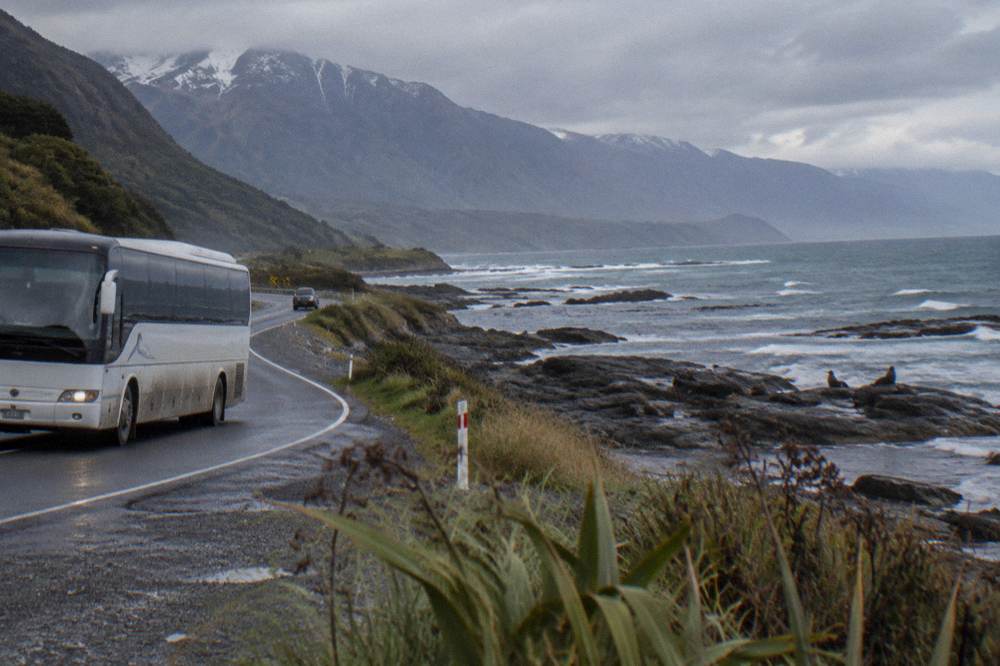
Daylight is the quiet seasonal factor behind all of this. The daylight saving period runs from late September to early April, giving summer outings long mornings and evenings, while midwinter shortens the usable day. For a 10 to 12 hour day trip from Christchurch, the operator's schedule already accounts for this, but a winter booking means the whole excursion happens in fewer daylight hours, which is worth knowing when you picture the day.
Does The Length Of A Kaikoura Day Trip Affect Your Chances?
Not really, because you do not choose the hour. The dolphin day trips from Christchurch run 10 to 12 hours total, the boat slot inside the day is set by the operators, and the dolphins' position is set by their own feeding pattern. What the length does affect is your day: a 12 hour trip is a long outing built around one water experience.
The durations are fixed facts of each tour, worth comparing before booking rather than on the coach. The table below shows the four dolphin day trips and the two overnight packages on this site, with their durations, prices and formats exactly as published.
| Tour | Operator | Format | Duration | From (USD) | Reviews |
|---|---|---|---|---|---|
| Dolphin Encounter, Meal Included | Cheeky Kea Tours | watch | 10 hours | $217.00 per person | 4.3 from 15 |
| 10-Hour Swim, Meal Included | Cheeky Kea Tours | swim | 10 hours | $261.00 per person | new, none yet |
| 12-Hour Dolphin Swim Day Trip | Leisure Tours | swim | 12 hours | $283.14 per person | 4.5 from 29 |
| Luxury Small Group, Meal Included | Canterbury Trails | swim | about 10 to 11 hours | $592.95 per person | 4 reviews, too few for a rating |
| Overnight Whale And Dolphin Package | Leisure Tours | swim | 2 days, 1 night | $556.07 per person for 2 days | 9 reviews, too few for a rating |
| Discover New Zealand 2-Day Tour | Discover New Zealand | swim | 2 days, 1 night | $697.92 per person for 2 days | new, none yet |
Notice what is not in the table: a departure time, because none of these tours publishes one you can choose, and the day trips' timing is decided by the coach operator. A reader picking a slot is really choosing which departure day to book and how much of it to spend. The two day packages are priced for two days and are never ranked against day trips on cost; what they buy is a whale outing and a dolphin outing spread over two days.
Cancellations are the other length related fact. The Leisure Tours swim day trip and overnight package require cancellation at least 6 full days before the start for a full refund, with 50% between 2 and 6 days. The Cheeky Kea day trips and the Canterbury Trails trip allow a full refund up to 24 hours before. The Discover New Zealand 2-day package sits at 3 days. Booking far ahead and cancelling late is a different game on each of these, and the weather and cancellations guide on this site, Kaikoura dolphin swim weather and cancellations, unpacks it.
The Cheeky Kea swim trip deserves a plain note: it is a new listing with no reviews yet. That is not a warning, it is a fact about the evidence, and it is the cheapest dolphin swim day trip here at $261.00 per person, 10 hours, lunch included, minimum age 8, full refund up to 24 hours before. The 10-hour swim day trip page carries the details.
What About Seeing Kaikoura Dolphins From The Shore?
Yes, it happens, and it is free, but it is the least predictable way to see them. Dusky dolphins move along the coast and can pass close in, especially on an October to May morning when the operator says they favour the southern side of the Kaikoura Peninsula, but no shore spot produces them on demand. A boat reaches the pods wherever they are; the shore waits for them.
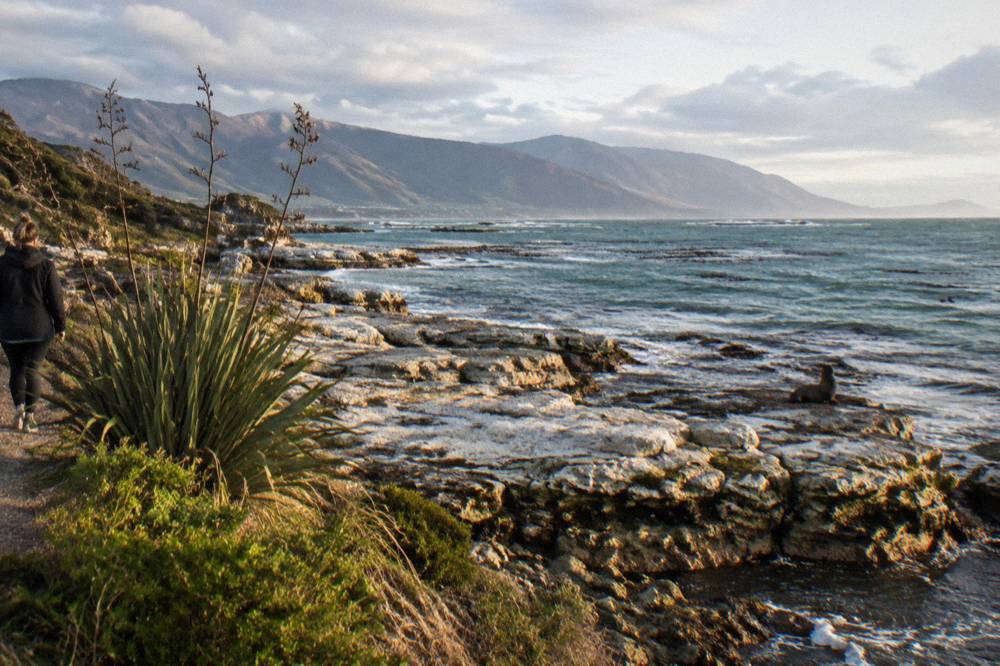
Shore watching suits the flexible: a local walk at first light, binoculars, and no schedule to keep. It also suits anyone whose sea legs or budget rule out a boat, and Kaikoura's coastline gives long views of the water from the peninsula walkway. The honest trade is that pods may be kilometres offshore on any given morning, particularly from June to September, and a shore watcher has no way to close that distance.
Seals are the reliable shore contrast. Kaikoura is a stronghold for kekeno, the New Zealand fur seal, a taonga species for Ngati Kuri and Te Runanga o Ngai Tahu, and DOC's guidance for seals hauled out on shore is to stay at least 20 m back, keep quiet, keep dogs and children back, and never feed or touch, because disturbed mothers can abandon pups. Seabirds are the other constant, and the albatross encounter Kaikoura tour covers the boat trip built around them, about 2.5 hours on the water in a small group of about a dozen guests, where frozen chum from local commercial fishers brings the birds close.
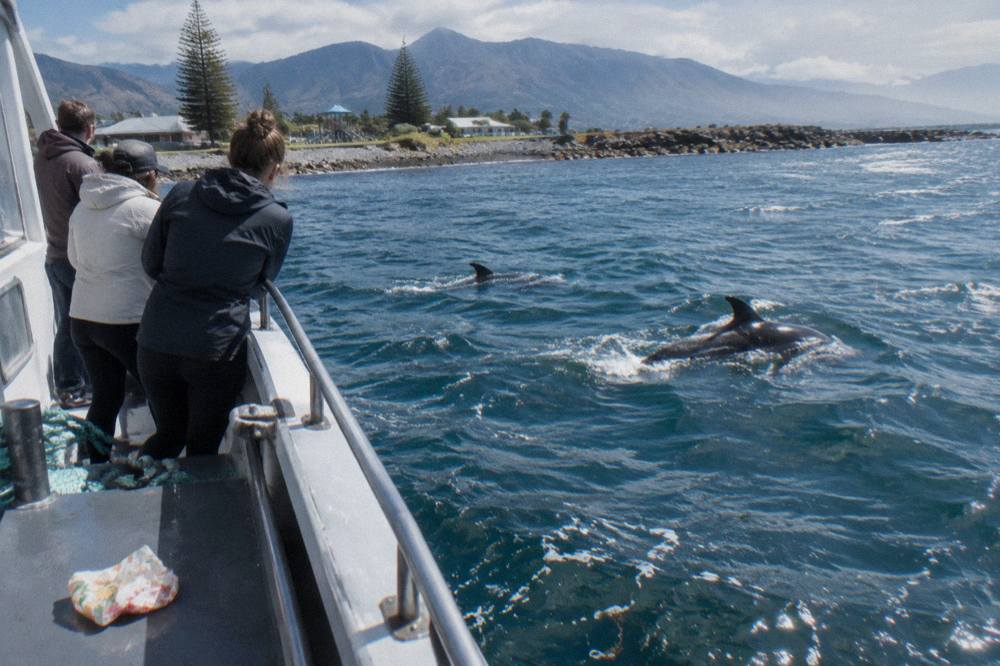
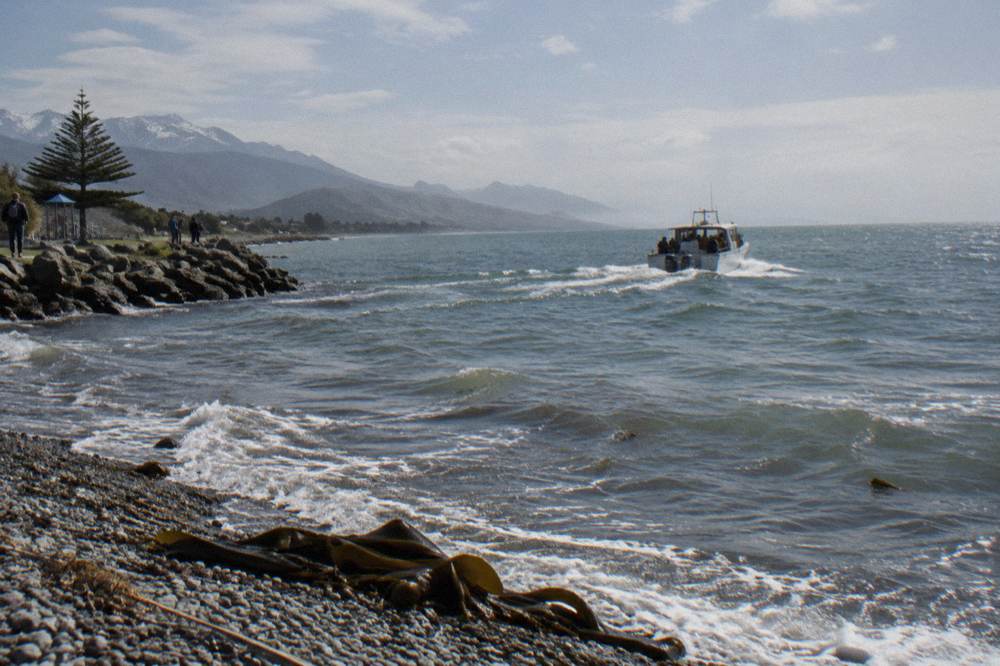
The reading order for a planner is therefore simple. Decide swim or watch first, then decide day trip or overnight, then let the operators handle the clock. If seeing dolphins matters more than swimming with them, the watch only day trip, Dolphin Encounter, Meal Included, is the cheapest dolphin day trip on this site at $217.00 per person, 10 hours from Christchurch with pickup, lunch included, rated 4.3 across 15 reviews, with a full refund up to 24 hours before the start.
Putting The Clock In Its Place
The pattern is real but it is not a booking lever: dusky dolphins favour Kaikoura's southern peninsula coast in the early morning from October to May, DOC protects a midday rest window over summer, and winter pushes the pods further out. Beyond that, timing is in the operators' hands, and the reader's real choice is the tour, not the hour.
The whale watching boat runs on open ocean off Kaikoura, where conditions change quickly, and its captain decides shortly before check-in whether a sailing goes; Seal Swim Kaikoura also cancels for weather or low seal activity. The same logic applies to dolphin outings. A morning that looks ideal can turn, and a slot cannot be rescheduled by the passenger on the day, which is one more reason to treat the published inshore movement as background knowledge rather than a promise.
Kaikoura Dolphin Tours exists to make that background legible: which tours run, what each includes, what they cost and what the honest odds are. On timing, the site's position is the one above, no best hour claimed, the dolphins' own pattern described, and the midday rest period respected.
For completeness, getting there has its own clock. Operators describe the drive north from Christchurch as about 2.5 hours, and State Highway 1 south of Kaikoura was damaged by storm flooding in July 2026, so the NZTA journey planner is the thing to check on the day. The Coastal Pacific train runs a daily seasonal service from 1 September to 30 April, skipping Christmas Day, linking Christchurch, Kaikoura, Blenheim and Picton, with fares on the KiwiRail site. The guide to the Christchurch to Kaikoura drive versus a day tour weighs the two.
Common Questions About Dolphin Timing In Kaikoura
What Time Of Day Is Best For Seeing Dolphins?
No single hour is best, and no honest operator promises one. The dolphin boat operator says that from October to May the dusky dolphins move inshore in the early morning to the southern side of the Kaikoura Peninsula, and DOC restricts dusky dolphin viewing from 11.30 am to 1.30 pm from November to March. Over summer, those two facts push dolphin viewing toward the earlier part of the day.
Are Kaikoura Dolphins Around In Winter?
Yes. DOC describes the dusky dolphins as present at Kaikoura all year round, in groups of several hundred to over 1000. The difference in winter, June to September, is that the dolphins range further offshore over a greater area, so boats may travel further to reach them.
Can I Pick A Morning Or Afternoon Departure On A Dolphin Tour?
Not on the dolphin day trips covered here. Every bookable dolphin product on this site is a Christchurch day trip or two day package that bundles the dolphin boat outing, the trips run 10 to 12 hours, and the operators set the schedule. You choose the day, not the hour.
What Is The Dolphin Rest Period In Kaikoura?
DOC restricts viewing of dusky dolphins from 11.30 am to 1.30 pm from November to March. Whale Watch Kaikoura publishes the restriction; it is a conservation measure that gives the dolphins an unpressured midday window over summer, and boats plan around it.
Do Longer Tours Mean Better Dolphin Sightings?
No tour here guarantees a sighting, and length does not buy odds. The 10 to 12 hour day trips all include one dolphin boat outing whose timing is fixed by the operators. The two day packages buy a second morning on the water rather than a better one, and they are priced for 2 days, from $556.07 and $697.92 per person.
Can You See Dolphins From The Shore In Kaikoura?
Sometimes, and for free, but unpredictably. Pods can pass close to the coast, especially on an October to May morning when the dolphins favour the southern side of the peninsula, but on any day they may be far offshore. A boat can travel to the pods; a shore watcher cannot.