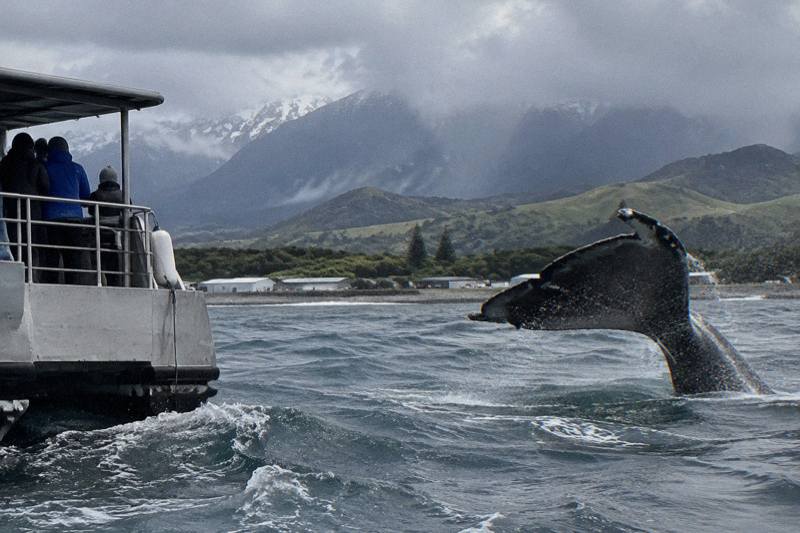
Is It Ethical To Go Whale Watching In Kaikoura?
A balanced look at the ethics of whale watching in Kaikoura: the DOC rules that govern boat and flight tours, what operators say about their own conduct, and how to choose a tour that treats the animals well.
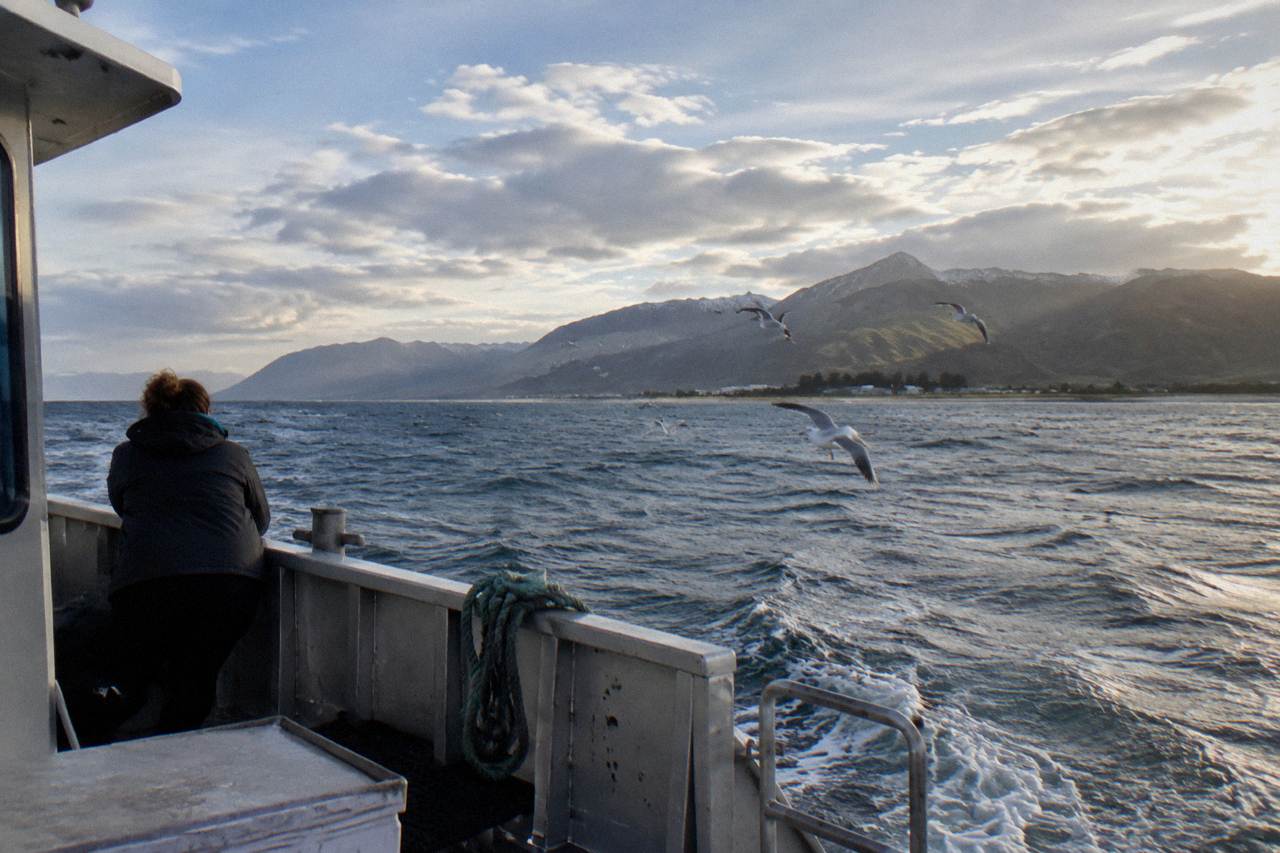
Is It Ethical To Go Whale Watching?
Whether whale watching is ethical depends on how the tour is run, and Kaikoura's tours run inside one of the stricter wildlife rulebooks in the country. DOC regulations set the distances boats and aircraft must keep, cap vessel numbers near animals and forbid swimming with whales entirely. The tours covered here operate under those rules, and the operators publish their own conduct terms on top, so an ethics-minded reader has real things to check.
That question deserves a straight answer rather than a shrug, because Kaikoura is one of the few places in the world where sperm whales can be seen year-round and close to shore, and that accessibility is exactly why the pressure on the animals is managed so carefully. The Department of Conservation focuses its management at Kaikoura on limiting tourism impacts, which tells you the ethics question is not hypothetical here. It is a working balance between a town whose economy leans on marine wildlife and a population of animals that cannot consent to any of it.
The honest framing is this: no form of whale watching is impact-free, and no tour on this site, or anywhere else, is guaranteed to see an animal. What can be judged is the structure around the outing, the rules that bind it, and the conduct each operator states for itself. Those are checkable facts, and this article works through them: the regulations, the differences between boats and scenic flights, what happens when no whales appear, and the practical signals a reader can use before booking.
One Kaikoura-specific point is worth naming early. Whale Watch Kaikoura says DOC restricts viewing of dusky dolphins from 11.30 am to 1.30 pm from November to March, a rest period for the dolphins that the whale tours work around. A town that schedules its tourism around a dolphin nap is a town taking the ethics question seriously, whatever an individual reader concludes about booking a seat. The broader context for these tours is covered in the Kaikoura whale watching tours compared guide.
What Rules Keep Whale Watching Ethical In Kaikoura?
The Marine Mammals Protection Regulations 1992 set the baseline: boats must travel at idle or no-wake speed within 300 m of any marine mammal, stay at least 50 m from whales, keep 200 m away from a large whale mother and calf, and no more than three vessels or aircraft may be within 300 m of an animal at once. Swimming with whales is not permitted at all, and aircraft must stay more than 150 m away.
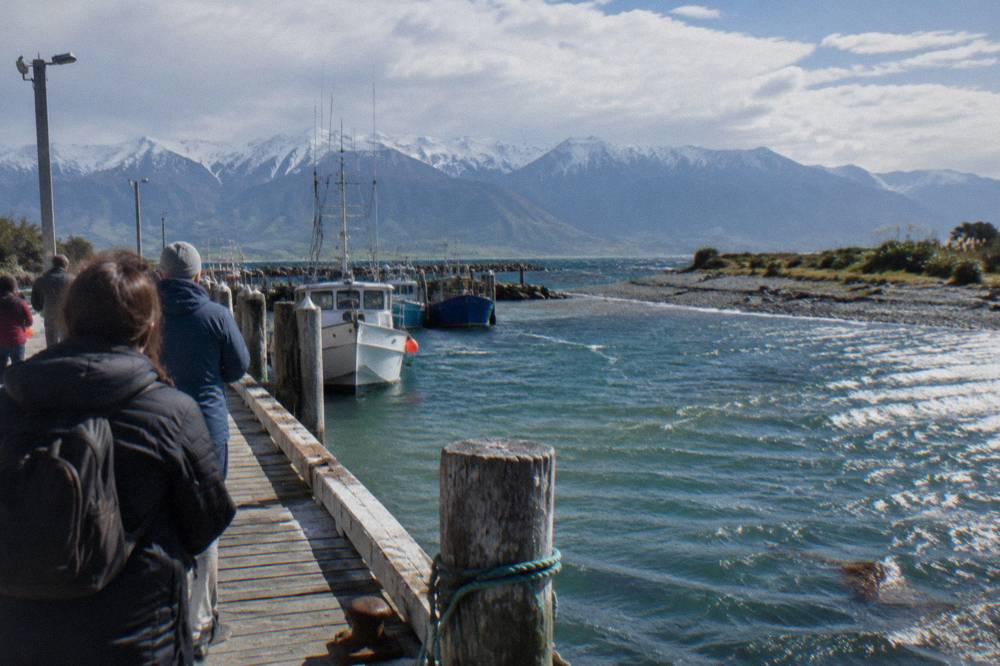
Those numbers come from DOC's marine mammal protections, and they apply to every commercial operator in New Zealand waters, not just the ones selling seats in Kaikoura. The distances are the visible edge of a larger principle: the animals set the terms, and the vessels adapt. An approach must come from behind and to the side, never circling or cutting through a group, and penalties sit behind all of it under the Marine Mammals Protection Act 1978.
Two details matter for an ethics-minded reader more than the rest. First, the regulations set no minimum age, swimming ability requirement or swimmer count for dolphin swims: those are per-operator terms, which is why tour-to-tour terms differ on this site and why reading the booking details for the specific tour matters. Second, the three-vessel cap means a whale found by several boats at once cannot be crowded indefinitely; the rule limits the traffic around any single animal at any single moment.
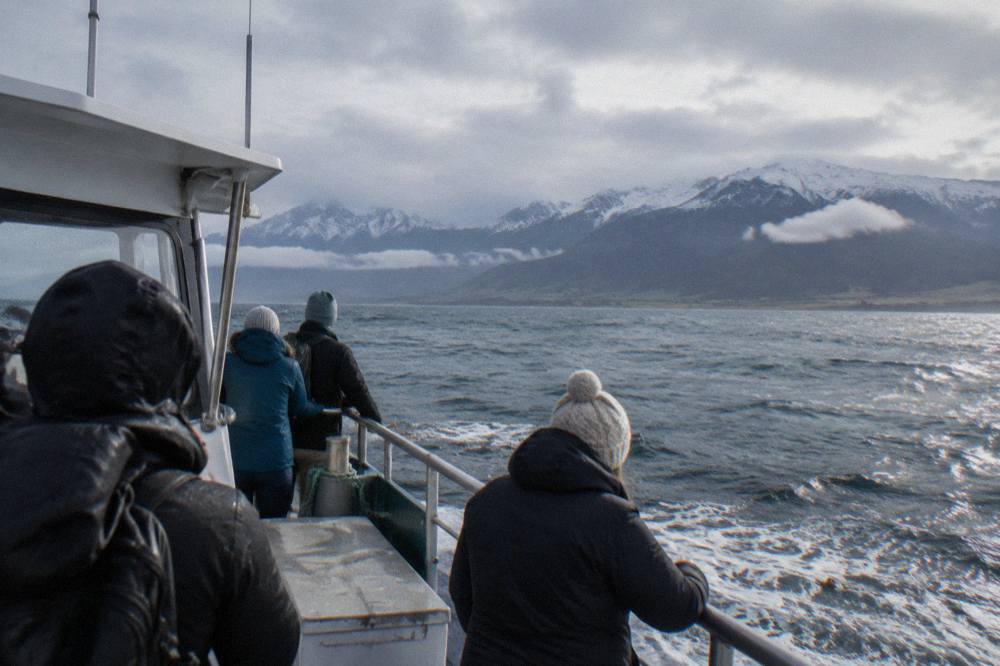
The rules also shape what swimmers may do with dolphins, which is adjacent to the whale question. People may swim with seals and dolphins, but not with dolphin pods that have very young calves. The operator's swimmer guidance for the Kaikoura dolphin boat is specific: do not touch the dolphins, keep arms at your sides, and let noises through the snorkel attract them rather than chasing. That is a consent-shaped arrangement, limited and asymmetrical, but it is a deliberate attempt to let the animals control the encounter.
Kaikoura Dolphin Tours exists because this coastline supports one of the more accessible marine wildlife spectacles in the country, and the reason it still supports it is that the watching happens inside a legal frame rather than a free-for-all. The ethics case for a tour here rests substantially on that frame being real, enforced and specific, which the regulation text above shows it is.
Is A Boat Tour Or A Scenic Flight More Ethical?
Boats and scenic flights fall under the same DOC regulations but stress the animals differently: boats must idle within 300 m and keep 50 m from the whales, while aircraft must stay more than 150 m away, generally a larger and briefer footprint. The flight does not enter the water at all, the boat spends longer near the animals, and neither is impact-free.
The flight side is easy to state concretely because the departure points and durations are fixed. Air Kaikoura flies a 40-minute whale flight from the airfield at Peketa, rated 4.9 across 229 reviews, from $167.39 per person, with a group max of 7. Wings Over Whales runs a 30-minute flight, also from Peketa, rated 4.7 across 204 reviews, from $150.36 per person, group max 7. Kaikoura Helicopters departs from the beachfront helipad at West End, a 30-minute flight rated 4.8 across 48 reviews from $238.31, group max 6. South Pacific Helicopters NZ runs a 1 hour 15 minute ocean safari from Peketa, rated 5.0 across 46 reviews, from $482.30, group max 6. In every case the aircraft's interaction with a whale is a viewing pass at legal distance, over in seconds, and the flight depends on weather.
The boat side trades that light footprint for a longer, closer, noisier presence. The Whale Watch Kaikoura boat tour is 3 hours 30 minutes in total with up to 2 hours 30 minutes on the water, rated 4.5 across 3,057 reviews, from $101.85 per person, group max 116, starting from the operator's base on Whaleway Station Road with a bus to the South Bay marina. Those two and a half hours on the water are also two and a half hours of engine noise near marine mammals, mitigated by the idle-speed rule but not erased by it. The trade is real on both sides: the boat burns more time and fuel around the animals; the aircraft adds aerial presence, which some marine mammals react to, at a mandated greater distance.
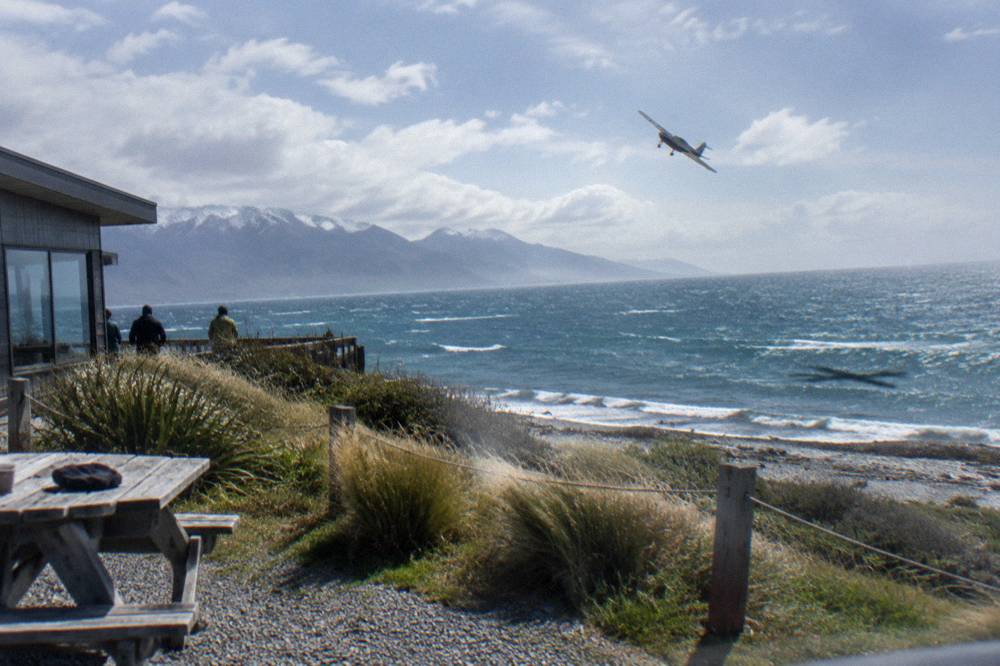
An ethics-minded reader can also weigh what each format teaches. A boat tour includes commentary, a captain's decisions explained in real time, and the experience of the canyon environment at water level; a flight delivers scale, the shape of the coastline, and a whale seen whole rather than in pieces. Neither is a biology lecture by guarantee, but the operators describe both as educational outings, and education is one of the standard ethical arguments for wildlife tourism in the first place.
There is no clean verdict here, and pretending otherwise would be dishonest. A reader who prioritises minimal time near the animals leans to a flight; a reader who values the slower, regulated, interpreter-led encounter leans to the boat; a reader who thinks both intrude stays on the peninsula walking tracks, where seals and sometimes dolphins can be seen from shore. What can be said firmly is that both formats operate under stated distance rules, and both groups of operators state that weather, not demand, decides whether the outing happens at all.
Do Whale Watching Operators In Kaikoura Follow The Rules?
Every whale watching operator covered here works under the same DOC regulations, and several state their own conduct terms publicly: Whale Watch Kaikoura describes its sighting rate and refund policy on its own tour, and the flight listings are weather dependent. Licensing and enforcement sit with DOC, and penalties under the Marine Mammals Protection Act 1978 back the distance rules.
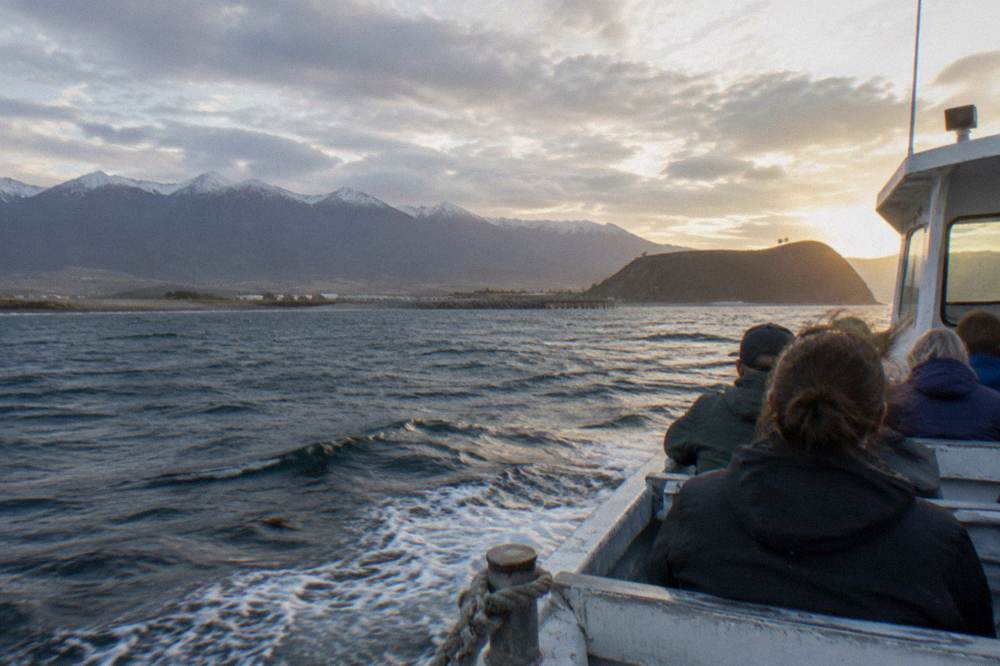
What can be verified from the outside is the stated conduct, and it is specific. Whale Watch Kaikoura says tours run subject to sea and weather, that the captain decides shortly before check-in, and that minimum passenger numbers apply, with passengers asked to arrive 30 minutes before departure. The operator says wheelchair passengers are carried if sea conditions suit, and it says over 90% of its tours find whales, refunding 80% of the fare if none is seen. That refund clause is a single-operator statement about its own tour, not a site-wide promise, but it is a commercial stake in the outcome that an ethics reader can weigh. The wider set of guides lives on Kaikoura Dolphin Tours.
The flight operators frame their own terms around weather and group size. All four scenic flights listed here carry group maximums of 6 or 7, which keeps each outing small by design, and every one offers a full refund if cancelled up to 24 hours before the start, with another date or a full refund if the operator cancels for weather. Free cancellation on all 17 tours on this site comes with windows that differ: 24 hours on 12 tours, 6 full days on 4, and 3 days on the 2-day Discover New Zealand package, so the specific window belongs to the specific tour.
Beyond the operators, the regulatory environment is active rather than decorative. DOC's management focus at Kaikoura is on limiting tourism impacts, and the dusky dolphin rest period already mentioned, 11.30 am to 1.30 pm from November to March, shows the rules reaching into scheduling. Kaikoura is also a stronghold for fur seals, a taonga species for Ngati Kuri and Te Runanga o Ngai Tahu, and DOC's seal guidance, staying at least 20 m from hauled-out seals, no loud noise, never feeding or touching, sits in the same framework. A canine distemper strain found in the Kaikoura fur seal population in 2024 is a reminder that these populations carry vulnerabilities that tourism must work around.
None of this proves every skipper and pilot behaves perfectly on every outing; no external audit of an individual trip is published anywhere a reader can find it. What it proves is that the structure rewards compliance and punishes breaches, that operators put their conduct terms in writing, and that a reader comparing tours has concrete statements to compare rather than marketing adjectives.
What Happens If No Whales Are Seen?
No tour on this site guarantees a sighting, and the main refund policy in whale watching here belongs to one operator: Whale Watch Kaikoura says it refunds 80% of the fare if no whales are seen, on its own boat tour only. The flight operators and day-trip tours do not publish a no-sighting refund; their cancellation terms cover weather and operator cancellations, not empty water.
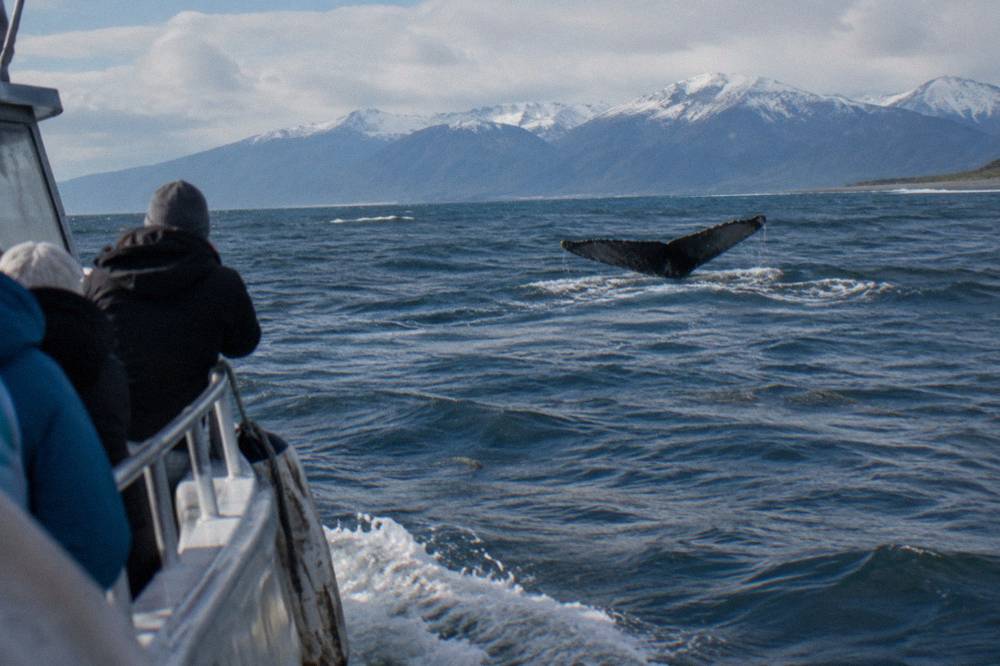
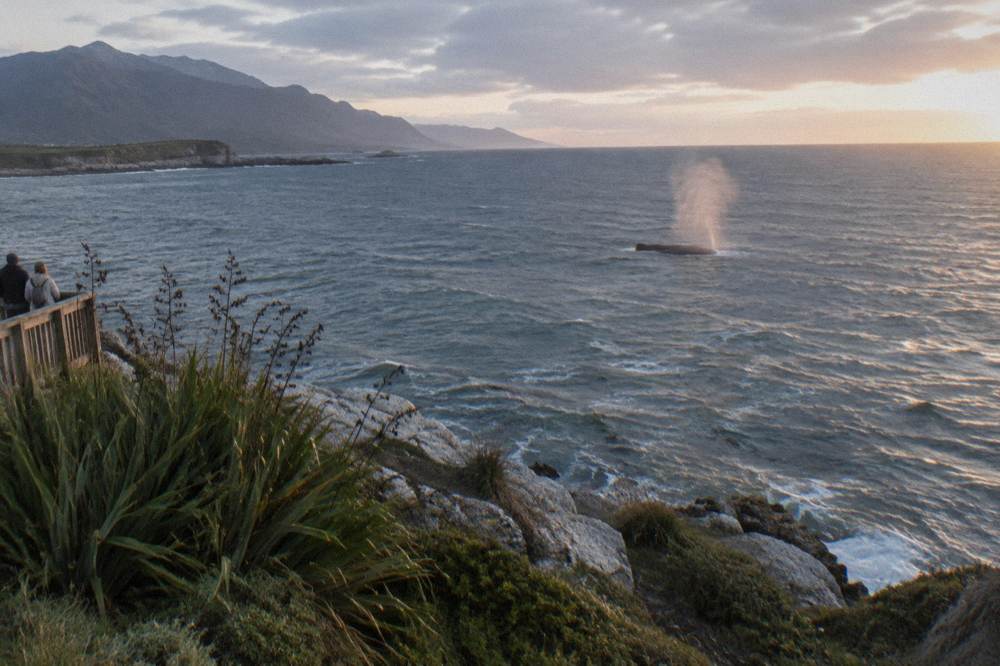
This matters ethically because a no-refund structure could push an operator to press closer or stay longer than the rules allow in order to deliver an animal. The 80% refund does the opposite: it removes most of the financial incentive to squeeze a sighting out of a quiet day, and it prices the risk honestly into the ticket. Sperm whales are described as year-round residents, one of the few places in the world where they can be seen year-round and close to shore, and a typical outing sees one or two whales, so the odds are genuinely good without being a promise.
A reader weighing the boat against the flights on this point should note the asymmetry. The scenic flights offer a full refund if cancelled up to 24 hours before the start, and another date or a full refund if the operator cancels for weather, but the published terms say nothing about a refund for a flight that flies and sees nothing. The day trips from Christchurch that bundle whale watching, such as the Cheeky Kea whale day tour from $212.00 or the Leisure Tours 11-hour whale day trip from $221.29, likewise make no no-sighting promise in their published terms. The honest summary: one operator prices the no-whale day; the others treat it as the customer's risk.
| Tour | Format | Duration | Price from (USD, per person) | Reviews | Stated no-sighting term |
|---|---|---|---|---|---|
| Whale Watch Kaikoura Boat (Whale Watch Kaikoura) | Boat | 3 hours 30 minutes | $101.85 | 4.5 across 3,057 | Operator says 80% refund if no whales seen |
| Whale Day Tour, Meal Included (Cheeky Kea Tours) | Coach and boat day trip | 10 hours | $212.00 | 4.6 across 332 | None published; 24-hour full cancellation window |
| 11-Hour Whale Day Trip (Leisure Tours) | Coach and boat day trip | 11 hours | $221.29 | 4.4 across 197 | None published; 6-full-day full cancellation window |
| 40-Minute Whale Flight (Air Kaikoura) | Fixed-wing flight | 40 minutes | $167.39 | 4.9 across 229 | None published; weather-dependent |
| 30-Minute Whale Flight (Wings Over Whales) | Fixed-wing flight | 30 minutes | $150.36 | 4.7 across 204 | None published; weather-dependent |
| Helicopter 30-Minute Whale Watch (Kaikoura Helicopters) | Helicopter | 30 minutes | $238.31 | 4.8 across 48 | None published; weather-dependent |
| South Pacific Ocean Safari (South Pacific Helicopters NZ) | Helicopter | 1 hour 15 minutes | $482.30 | 5.0 across 46 | None published; weather-dependent |
The table shows the shape of the market rather than a ranking: the only operator that publishes a no-sighting refund is the one whose whole business is the boat, while the flights and day trips spread the risk differently. Readers who want the deeper comparison of value across these options will find it in the Kaikoura whale watching season tours guide.
How Do You Choose An Ethical Whale Watching Tour In Kaikoura?
Choose on verifiable signals: an operator that states its distance conduct and cancellation terms plainly, small group maximums, weather-dependent departures that are actually enforced, and a refund structure that does not reward pressuring the animals for a sighting. In Kaikoura all of these are checkable before booking, because the tours publish them.
Practically, the checklist runs short. Read the conduct and cancellation terms for the specific tour, since the free-cancellation windows on this site's tours range from 24 hours to 6 full days. Prefer small groups where the price allows: the flights cap at 6 or 7 passengers, the whale boat carries up to 116, and the day-trip coaches sit between at 16 to 20. Accept that weather decides, and treat an operator that cancels rather than forces a departure as the ethical actor in the story, not the one that cost you a day. The is Kaikoura whale watching worth it post works through the value side of the same decision.
Consider the format deliberately rather than by default. A reader unsettled by boats near whales but comfortable with a viewing pass at more than 150 m has the flight options above, from $150.36 for 30 minutes with Wings Over Whales to $482.30 for the 75-minute South Pacific Helicopters ocean safari. A reader who wants the longest, most interpretive exposure to the canyon environment has the boat, at $101.85 for up to 2 hours 30 minutes on the water, which is also the cheapest whale watching per hour on this site. A reader who wants both animals and a full day from Christchurch has the coach day trips, which bundle the whale boat with travel and, on the Cheeky Kea tour, lunch.
Then book with the mindset the rules assume. Arrive 30 minutes before departure for the whale boat, expect the captain's go or no-go call to land shortly before check-in, and treat any sighting as the gift it is rather than the product you purchased. Depending on the season, migrating humpback, pilot, blue, southern right and fin whales can pass this coast, and orca are seen at times, especially in summer; none of them is promised on any date, and the tours that say so plainly are the ones being honest with you.
The final ethical position is a personal one, and this article will not pretend to settle it. What the record supports is narrower and more useful: Kaikoura's whale watching runs under specific distance rules with stated penalties, its operators publish conduct terms they can be held to, and its most reviewed tour puts an 80% refund behind its own sighting claim. A reader who books with eyes open, checks the terms of the specific tour, and accepts a no-whale day as part of the deal is participating in a managed system rather than an unregulated one, and that is as far as the honest answer goes.
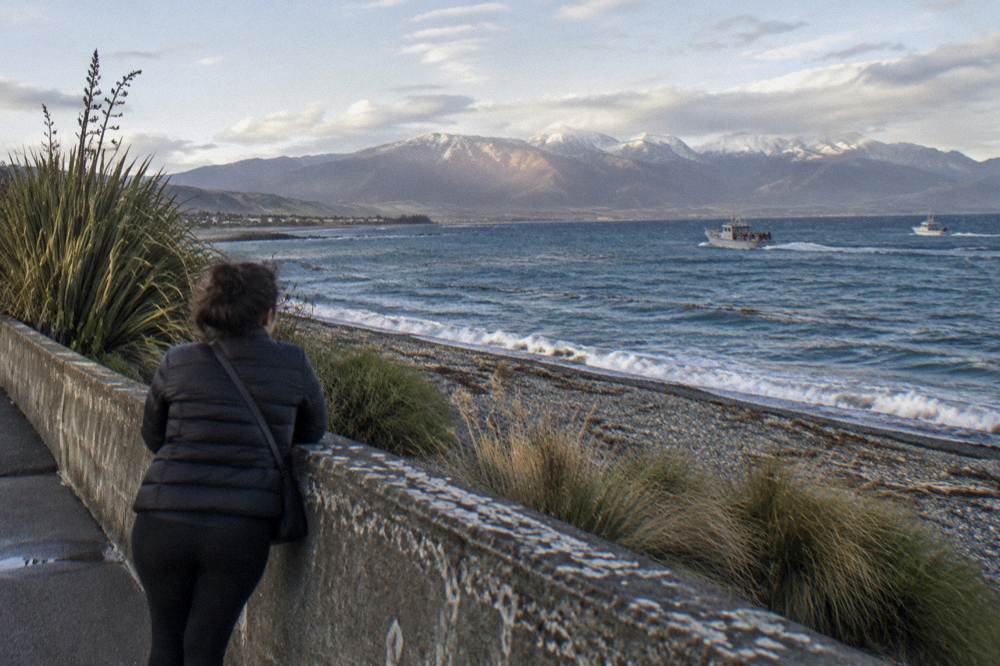
Getting there is part of the same careful planning. The drive north from Christchurch takes about 2.5 hours, and State Highway 1 south of Kaikoura was damaged by storm flooding in July 2026, so check the NZTA journey planner on the day. The Coastal Pacific train runs a daily seasonal service from 1 September to 30 April, not on Christmas Day, linking Christchurch, Kaikoura, Blenheim and Picton, with fares on the KiwiRail site.
Common Questions About Whale Watching Ethics In Kaikoura
Is It Ethical To Go Whale Watching?
It can be, when the tour operates under and within the marine mammal protection regulations: boats at idle speed within 300 m, at least 50 m from whales, 200 m from a mother and calf, and no swimming with whales at all. Kaikoura's tours run under these rules, and the operators publish their own conduct and cancellation terms on top, so the ethics-minded reader can verify the structure before booking.
Do Boats Have To Stay A Certain Distance From Whales In Kaikoura?
Yes. The Marine Mammals Protection Regulations 1992 require vessels to stay at least 50 m from whales, 200 m from a large whale mother and calf, travel at idle or no-wake speed within 300 m of any marine mammal, and approach from behind and to the side rather than circling. No more than three vessels or aircraft may be within 300 m of an animal at once, and penalties sit under the Marine Mammals Protection Act 1978.
Is A Whale Watching Flight More Ethical Than A Boat Tour?
Neither is impact-free, but they differ. Aircraft must stay more than 150 m from marine mammals and their passes last seconds, while the boat spends up to 2 hours 30 minutes on the water within the 50 m and idle-speed rules. A reader prioritising minimal time near the animals leans to a flight; one valuing the longer, interpretive encounter leans to the boat.
What Happens If No Whales Are Seen On The Tour?
No tour on this site guarantees a sighting. Whale Watch Kaikoura says it refunds 80% of the fare if no whales are seen, and that statement belongs to its own boat tour only. The scenic flights and day-trip tours publish no no-sighting refund; their cancellation terms cover weather and operator cancellations.
Can You Swim With Whales In Kaikoura?
No. Swimming with whales is not permitted under the Marine Mammals Protection Regulations 1992. People may swim with seals and dolphins under the rules, though not with dolphin pods that have very young calves, and the dolphin swim products on this site are Christchurch day trips and packages that include the dolphin boat outing.
How Do You Pick An Ethical Whale Watching Tour?
Check the specific tour's published terms: its cancellation window, its group maximum, its weather policy, and whether it makes any claim about sightings. Prefer operators that state their conduct plainly and cancel rather than force a departure, and accept that weather and the animals, not demand, decide whether the outing happens.