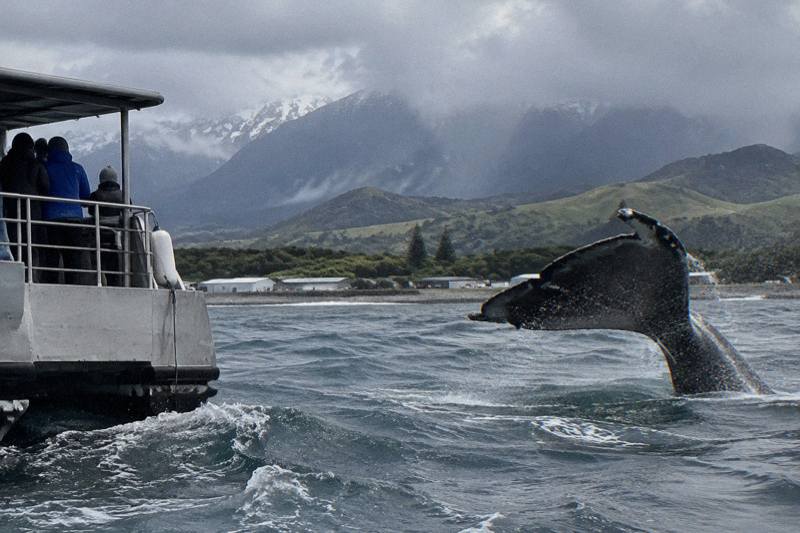
Do People Get Seasick On Whale Watching Boats?
Yes, some people do get seasick on whale watching boats, including the Kaikoura boat tour. Here is what causes it, what helps, and the flight and helicopter alternatives that stay out of the swell.
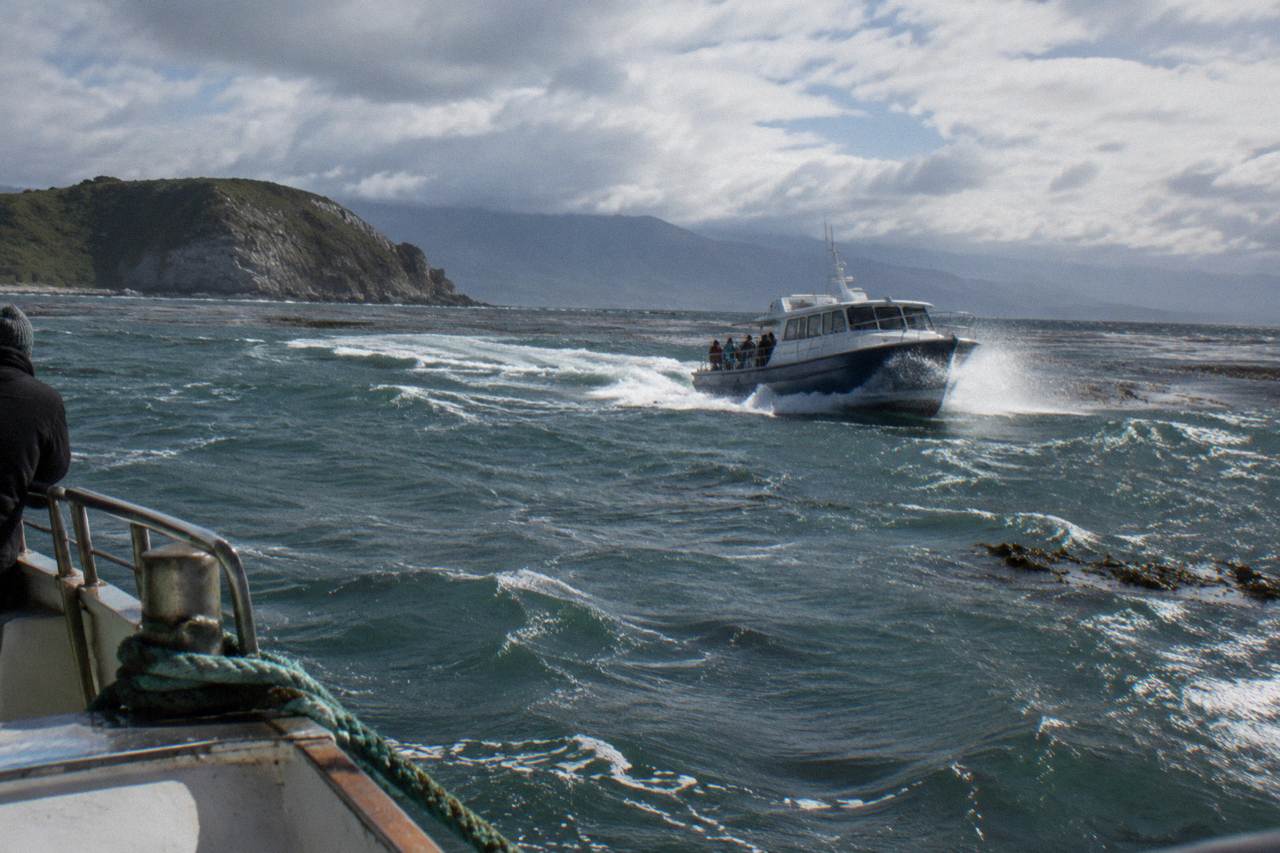
Yes, some people do. Whale watching boats, including the Kaikoura boat tour, cross open ocean where swell and chop move constantly, and motion sickness is a well-known part of that experience. Plenty of guests who feared the worst finish the trip fine. Others are genuinely unwell by the halfway mark. The honest answer is that it varies person to person and day to day.
The Kaikoura whale watching boat tour spends up to 2 hours 30 minutes on the water within a 3 hours 30 minute total outing, departing from the Whale Watch Kaikoura base on Whaleway Station Road. The operators describe it well: open-ocean conditions change quickly off this coast. The South Island sits where the Pacific swells arrive with real force, and the same submarine canyon that draws sperm whales close to shore also means the boat leaves the sheltered waters behind fairly early in the trip. Guests arriving at check-in are told to be there 30 minutes before departure.
For someone considering the trip, the practical framing matters more than the scare stories. Motion sickness on a whale boat is common enough that every experienced crew member has seen it, handled it calmly, and seen the same guest smiling at a whale twenty minutes later. It is not a sign the trip is doomed. At the same time, guests who know they are strongly prone to motion sickness, the kind who feel unwell on a ferry in calm water, have a real decision to make between the boat and the aerial options, which this article covers in full below.
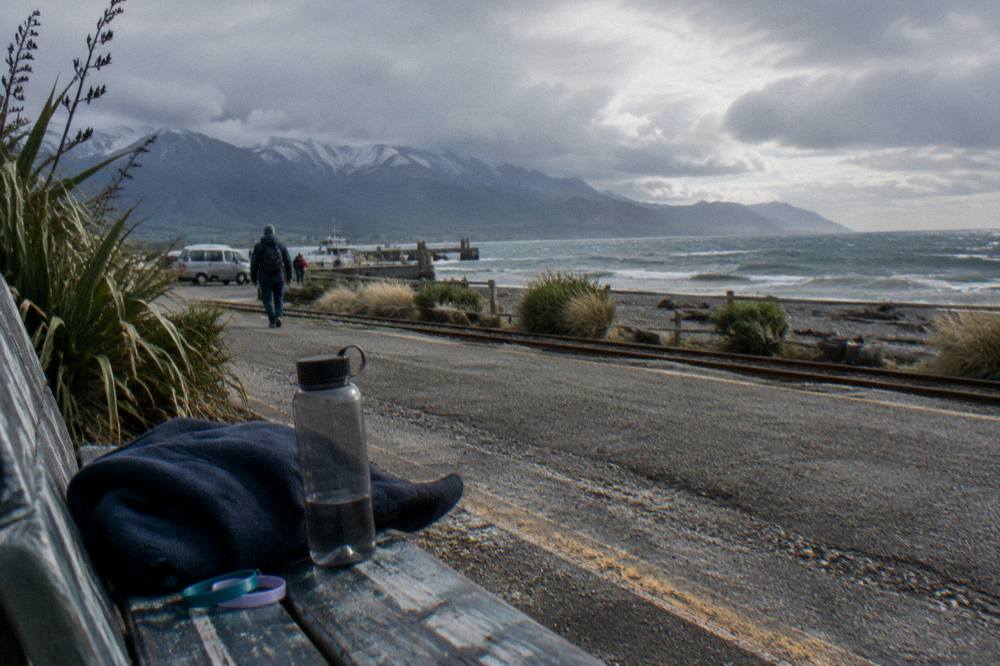
If the goal is simply to see whales at Kaikoura and the stomach is the worry, there are now several routes to the same animals: the boat from Whaleway Station Road, fixed-wing flights from Peketa, and a helicopter from the beachfront helipad at West End. The three-card selection below spans exactly that choice, from the 3 hours 30 minute boat trip at $101.85 per person to a 40-minute flight at $167.39 and a 75-minute helicopter ocean safari at $482.30.
The boat tour itself is the most reviewed tour on this site: Whale Watch Kaikoura's outing holds a 4.5 rating across 3,057 reviews, from $101.85 per person. The operator says over 90% of its tours find whales and it refunds 80% of the fare if none is seen, a policy that belongs to that operator and that tour alone. A refund promise says nothing about sea state, though. The boat sails subject to sea and weather, the captain decides shortly before check-in, and the same conditions that cancel a trip are the ones that make weaker stomachs hesitate when it does sail.
Why Does The Kaikoura Boat Ride Cause Seasickness?
Motion sickness happens when the inner ear, the eyes and the body disagree about movement. On a boat in swell, the body rises, drops and tilts continuously while the cabin and horizon stay visually fixed, and that sensory conflict triggers nausea. Kaikoura's whale grounds sit over open ocean reached quickly from shore, so the boat spends most of the trip in exactly the swell that provokes it. Susceptibility varies widely and is not a character flaw.
The whale watching grounds off Kaikoura are reached by boat from South Bay marina, with a shuttle bus running from the Whaleway Station Road base to the marina. Once clear of the peninsula, the vessel is in genuinely open water. The swell there is what makes the canyon wildlife so accessible and the ride so lively. A trip can be calm and glassy on one day and rolling on the next, and guests booking weeks ahead simply cannot know which they will get. The captain's go or no-go call shortly before check-in is the first reliable signal.
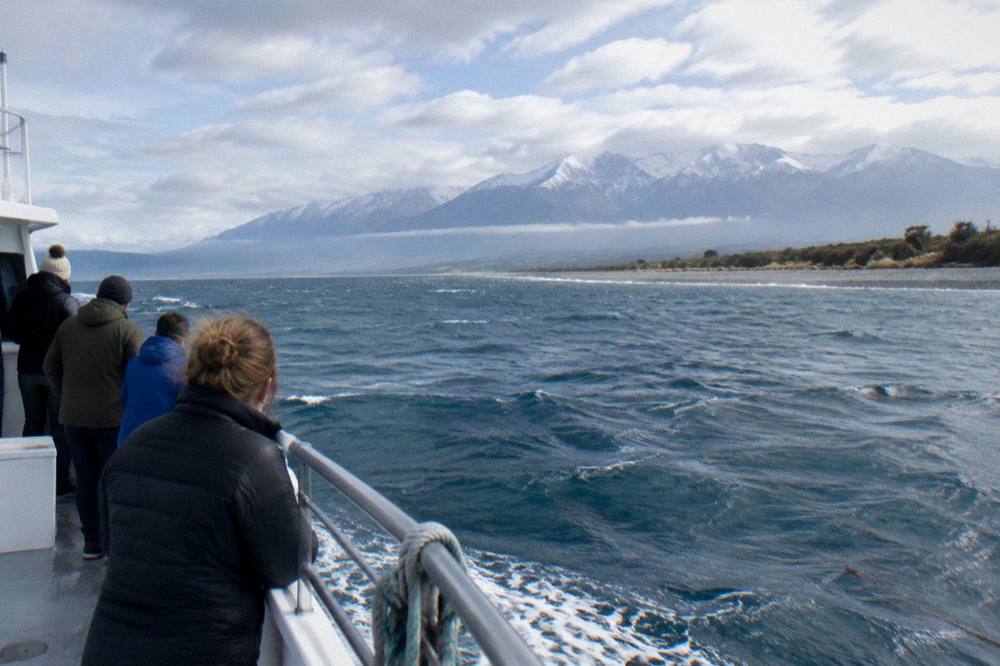
A few mechanical points help explain why whale boats in particular provoke nausea. Whale watching means the boat slows down or stops when animals are found, and a stopped boat rolls in the swell without forward motion to steady it, which many people find worse than the transit. Watching happens up on deck, so most guests naturally go outside, which is actually the right instinct: fresh air and a fixed point on the horizon reduce the sensory mismatch. The trouble comes from the opposite behaviours, standing in the cabin reading a phone, or looking down at the water beside the hull for long stretches.
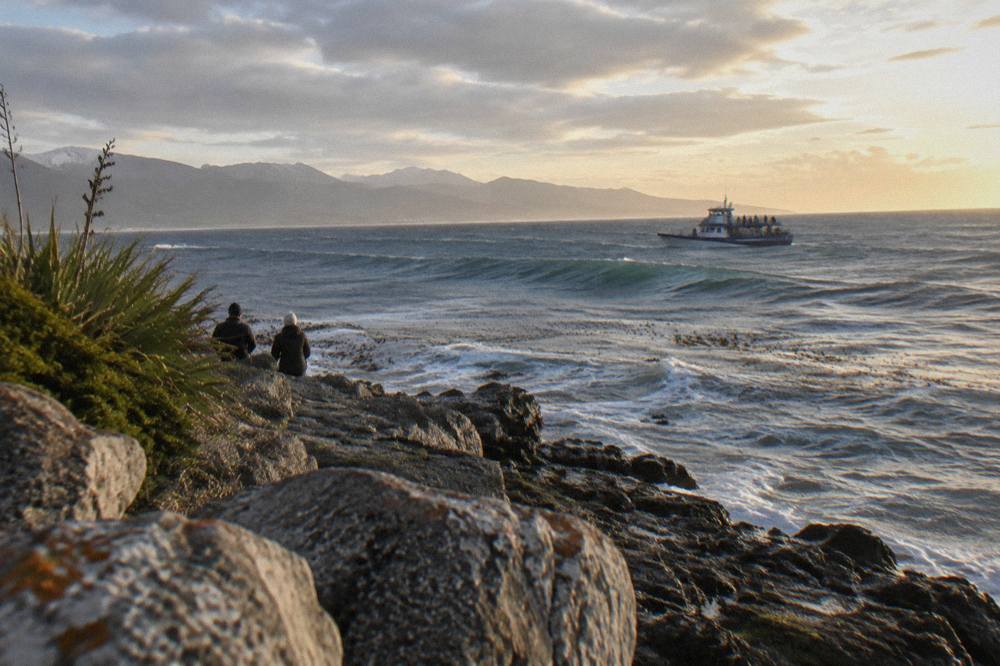
Age, hydration, sleep, alcohol the night before and anxiety all shift an individual's threshold. Someone who has never been seasick can have a bad day; a nervous first-timer can spend the whole trip comfortably photographing whales.
How Rough Is The Kaikoura Whale Watching Boat Trip Usually?
Roughness varies by the day and the season, not by a fixed rule. The transit to the whale grounds crosses open ocean where conditions change quickly, and the captain makes the final call shortly before check-in. Trips are cancelled for sea and weather when conditions exceed limits, so a sailing trip is by definition one the operator judged safe, but safe and comfortable are not always the same thing for a sensitive stomach.
The honest planning position is this: no one can promise a calm ride, and any source that does is selling something. Whale Watch Kaikoura describes its own operation as subject to sea and weather, with minimum passenger numbers applying and the captain deciding shortly before check-in. That operational reality is the strongest reassurance available. A boat that sails has passed an experienced captain's judgement about the conditions, the vessel and the forecast. Guests still make their own call about how they feel that morning, and crews respect a guest who opts to rebook.
A useful mental model for Kaikoura specifically: the trip has two phases. The passage out is usually the liveliest part, the boat making way across open water toward the canyon. When whales are found, the boat settles, engines drop to idle, and the roll becomes a slow rise and fall rather than a chop. Many guests find the watching phase much easier than the transit, which is worth knowing because the fear tends to be about the whole trip rather than its worst half hour.
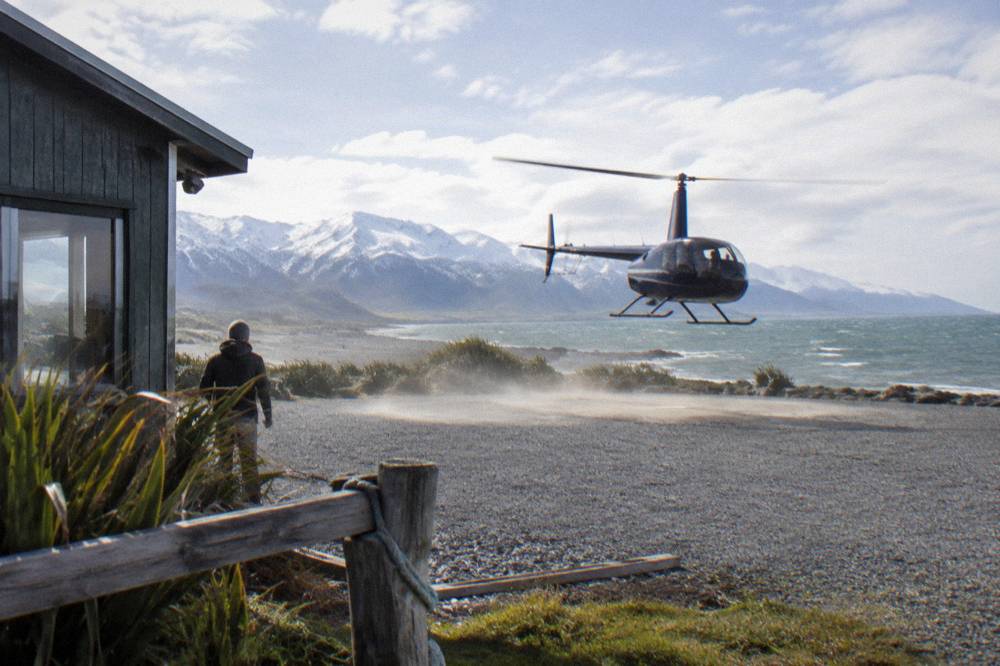
Guests with mobility or comfort concerns can also ask the crew about where to sit. Lower and central positions move less than high or forward ones, though on a whale boat most people want the viewing deck. The compromise many find is staying outside, near the middle of the vessel, eyes on the horizon during the transit, then moving freely once the boat is on station. The operator also says wheelchair passengers are carried if sea conditions suit, a judgement made case by case.
What Can You Do Before A Kaikoura Whale Watch To Avoid Seasickness?
Practical steps stack up well: sleep properly, eat a light plain meal rather than nothing, skip alcohol the night before, stay hydrated, and ask a pharmacist about motion sickness remedies well before the trip. Medication generally needs to be taken before departure, not once nausea starts. On the boat, stay outside, keep eyes on the horizon, and keep away from screens and strong smells. A pharmacist is the right person to advise on remedies and any personal medical questions.
None of that is medical advice, and no tour operator's page should be read as one. But the practical pattern is consistent across boat operators and passenger experience generally. Preparation begins the day before: decent sleep, light food, no heavy drinking. On the morning, a small plain breakfast beats an empty stomach for most people, though individual tolerances differ. The genuinely decisive step for people who know they are prone is asking a pharmacist in advance, because the effective options, tablets, patches and acupressure bands among them, mostly work preventively and have personal suitability questions attached that only a pharmacist or doctor can answer. The full index of guides sits on Kaikoura Dolphin Tours.
Timing is the thing guests most often get wrong. A remedy taken as the boat leaves the marina may not be doing much during the liveliest part of the transit, depending on the product, and doing anything once nausea has taken hold is far less effective than preventing it. The 30 minutes before departure, when the operator asks guests to arrive at the Whaleway Station Road base, is the natural moment to have already handled this.
On the water, behaviour matters as much as chemistry. Stay on the open deck where the eyes can lock onto the horizon. Face forward, or toward the swell, rather than sideways to it. Keep busy: scanning for blows and dorsal fins gives the eyes a distant fixed focus, which is exactly the input the inner ear needs to agree with. Avoid staring at phone screens, cameras held at chest height, or the water sloshing against the hull directly below. Tell the crew early rather than suffering silently; they have seen it thousands of times and can help with position, water, and bags before things escalate.
Guests with a medical condition, or who are pregnant, should talk to a doctor before any boat trip; no operator page on this site states a rule for those situations, and the booking page is where an operator's own health terms appear. The dry alternative, watching whales from a plane or helicopter, is covered below.
Are Kaikoura Whale Watching Flights A Seasickness-Free Alternative?
For most people, yes. Flights and helicopters cover the same whale grounds in 30 to 75 minutes without ocean swell. Prices run from $150.36 for a 30-minute flight to $482.30 for the 75-minute helicopter ocean safari. Flights depend on weather too, but wind aloft is a different problem from ocean swell.
Aerial whale watching is a mature format at Kaikoura, not a novelty. Three operators fly from the airfield at Peketa: Air Kaikoura with a 40-minute flight from $167.39 per person, rated 4.9 across 229 reviews; Wings Over Whales with a 30-minute flight from $150.36 per person, rated 4.7 across 204 reviews; and South Pacific Helicopters NZ with a 1 hour 15 minute ocean safari from $482.30 per person, rated 5.0 across 46 reviews. Kaikoura Helicopters flies a 30-minute whale watch from the beachfront helipad at West End, from $238.31 per person, rated 4.8 across 48 reviews.
The physics favour the queasy. A plane in stable air moves smoothly, and the large view of the sea from altitude, a whole horizon of it, actually gives the eyes exactly the fixed reference that a boat cabin denies them. From the air a sperm whale at the surface reads as a calm, unmistakable shape beside its blow, and the canyon wildlife, dolphin groups included, can be seen in context rather than from water level. Some guests find the plane's banked turns mildly unsettling, and small aircraft do bounce in turbulence, so "seasickness-free" is honest for most people rather than a promise for everyone.
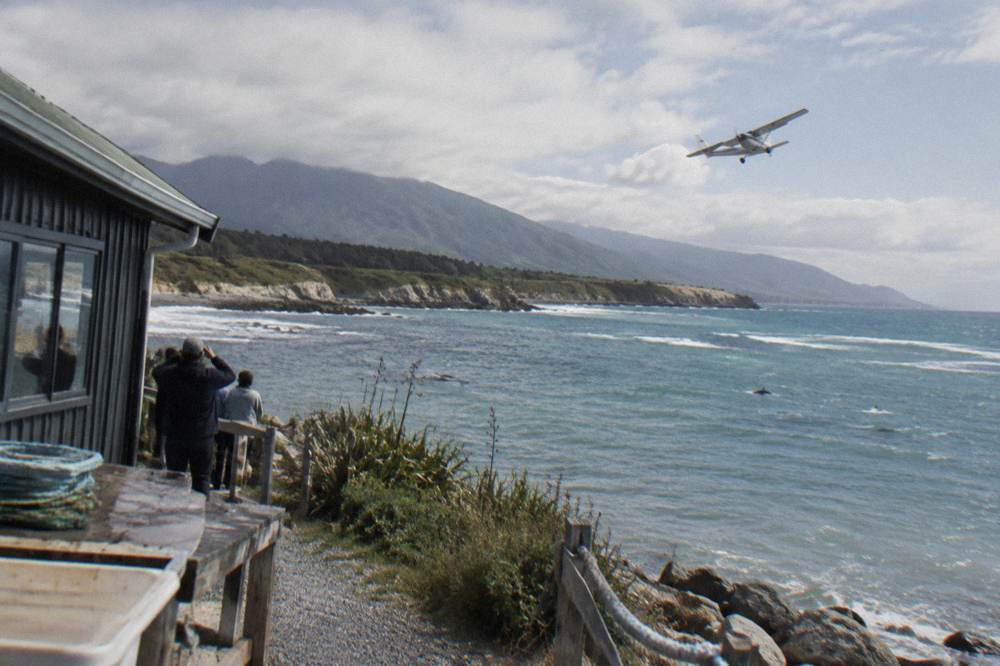
The trade-offs are worth naming plainly. Flights are shorter, 30 to 75 minutes against up to 2 hours 30 minutes on the water, so there is less time over the grounds and no lingering beside a resting whale. There is no spray, no close-up scale, no smell of the ocean, and some guests feel the boat's proximity to the animals is the point of the trip. Others, especially those who have been seasick once off this coast, consider the aerial view a strict improvement: more animals visible at once, zero nausea, and a fraction of the time commitment. One detail from the listings: the Air Kaikoura flight states hotel pickup is not included, meeting at Peketa, so transport to the airfield is the traveller's own arrangement.
For Christchurch-based travellers who want the coach journey handled, a whale day trip bundles the boat outing with pickup and lunch. The Cheeky Kea Tours whale day tour runs 10 hours from Christchurch, includes lunch, and is rated 4.6 across 332 reviews, from $212.00 per person, with about 120 minutes on the water. The seasickness question inside that day trip is the same as the standalone boat's question, so the preparation section above applies equally.
Which Kaikoura Whale Watching Tour Suits Someone Prone To Seasickness?
The aerial tours suit a strongly seasickness-prone traveller best: 30 to 75 minutes over the same grounds, no swell, from $150.36 per person. Mildly prone travellers do well on the boat with preparation, and the boat remains the closest, longest view at the lowest price, from $101.85. The Christchurch day trips add a coach leg and bundle the same boat outing, so the sea leg is the deciding factor in every case.
The comparison below uses only the figures from the tours on this site: price per person, duration, what the sea leg looks like, and the review pool. Durations are total trip times as the operators publish them.
| Tour | Operator | From (USD, per person) | Total time | Sea exposure | Rating and reviews |
|---|---|---|---|---|---|
| Whale Watch Kaikoura Boat | Whale Watch Kaikoura | $101.85 | 3 hours 30 minutes | Up to 2 hours 30 minutes on open water | 4.5 across 3,057 reviews |
| 30-Minute Whale Flight | Wings Over Whales | $150.36 | 30 minutes | None; flies from Peketa | 4.7 across 204 reviews |
| 40-Minute Whale Flight | Air Kaikoura | $167.39 | 40 minutes | None; flies from Peketa | 4.9 across 229 reviews |
| Helicopter 30-Minute Whale Watch | Kaikoura Helicopters | $238.31 | 30 minutes | None; beachfront helipad at West End | 4.8 across 48 reviews |
| Whale Day Tour, Meal Included | Cheeky Kea Tours | $212.00 | 10 hours from Christchurch | About 120 minutes on the water | 4.6 across 332 reviews |
| South Pacific Ocean Safari | South Pacific Helicopters NZ | $482.30 | 1 hour 15 minutes | None; flies from Peketa | 5.0 across 46 reviews |
Read the price column as a decision between experiences rather than a ranking. The boat at $101.85 buys the longest and closest encounter with the ocean's own motion included. The flights from $150.36 buy altitude, speed and a dry cabin. The helicopter ocean safari at $482.30 buys the most time aloft, 1 hour 15 minutes, in a six-seat aircraft. No tour guarantees a whale on the day, and all of them depend on weather. Every tour here comes with free cancellation: 12 allow it up to 24 hours before the start, four up to six days, and one up to three days.
For a reader weighing the dolphin side of the site against the whale question here, the guide to Kaikoura dolphin and whale tours compared covers the combinations, and the guide to whale watching tours compared sets out the boat-versus-flight decision in planning terms. The seasickness angle does not change those comparisons' numbers, it just weights them.
When Should You Skip The Kaikoura Boat Altogether?
Skip the boat when motion sickness has previously wrecked a trip for you, when a doctor or pharmacist advises against it, or when the morning's conditions and your own confidence disagree. Also skip it if the priority is time: a 30 to 75 minute flight sees the same grounds without a full half day on and around the water. The boat is the wrong place to test your limits for the first time at three hours' distance from shore.
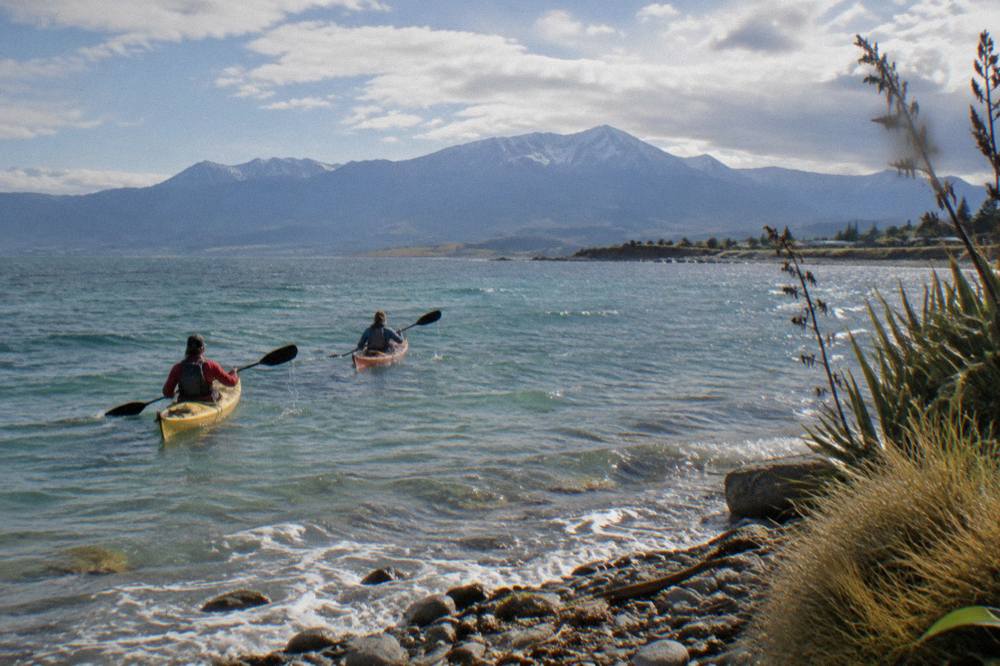
There is no shame in the aerial choice, and it is not a lesser experience. The aerial operators at Kaikoura have been flying whale watchers for years, their review pools are strong, and the view of a whale from a plane, the animal holding station over the canyon while the whole coastline unrolls behind it, is something the boat cannot offer. Some travellers do both across two days: the flight to see the geography and the pods whole, the boat for the smell, the spray and the scale. Pairing the cheapest flight with the boat tour adds up to a combined from-price of $252.21 per person across the two bookings, less than many single wildlife trips elsewhere.
Travellers coming up from Christchurch on a day trip should also factor the coach leg into how they feel by the time the boat is reached. The drive north is about 2.5 hours, and a winding road segment can dull a sensitive stomach before the sea gets its turn. Eating lightly on the coach, sitting forward, and saving the main eating for after the boat are small habits that compound. Anyone who already knows coaches are a problem should weigh the flight-plus-drive or train options: the Coastal Pacific train runs its daily seasonal service from 1 September to 30 April and stops at Kaikoura, with fares on the KiwiRail site.
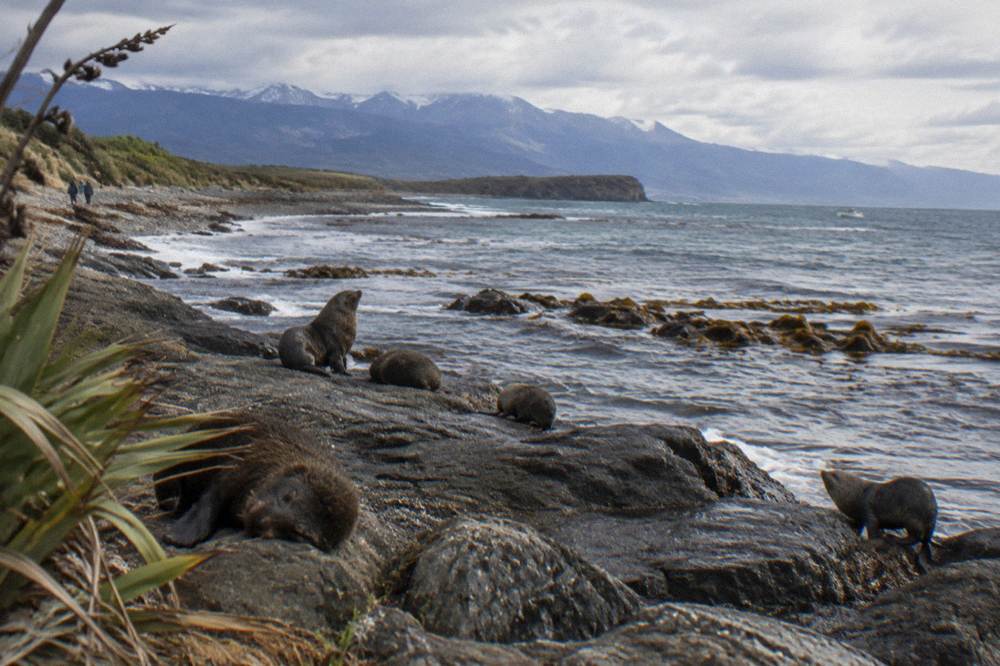
A last note on the wildlife itself, because the point of all this planning is what is down there. Sperm whales are described by Whale Watch Kaikoura as year-round residents, one of the few places in the world where they can be seen year-round and close to shore, and a typical outing sees one or two whales. Depending on the season, migrating humpback, pilot, blue, southern right and fin whales can pass, and orca are seen at times, especially in summer. Dusky dolphin groups of several hundred to over 1000 are present all year. No tour on this site promises any animal on any date, and that is the honest frame for every dollar in the table above.
Common Questions About Seasickness On Kaikoura Whale Watching Boats
Do People Get Seasick On Whale Watching Boats?
Yes, some guests do, especially on open-ocean passages like the Kaikoura whale grounds where swell moves the boat continuously for up to 2 hours 30 minutes. Many guests are entirely fine, and preparation plus a pharmacist's advice prevents most trouble for mildly prone travellers. Strongly motion-sensitive guests usually do better with the 30 to 75 minute flight and helicopter options.
How Rough Is The Kaikoura Whale Watching Boat Trip?
It depends on the day. The operator says open-ocean conditions change quickly, tours run subject to sea and weather, and the captain makes the final call shortly before check-in. A trip that sails has passed the captain's judgement, though a safe trip can still feel lively to a sensitive stomach. The transit out is usually livelier than the stopped watching phase.
What Helps With Seasickness On A Whale Watching Boat?
Practical steps: sleep well the night before, eat a light plain meal, skip alcohol, stay hydrated, and ask a pharmacist about motion sickness remedies in advance, since most work best taken before departure rather than after symptoms start. On board, stay outside on deck, keep your eyes on the horizon, face the swell, and avoid phone screens and strong smells.
Can You See Whales In Kaikoura Without Going On A Boat?
Yes. Fixed-wing flights from Peketa run 30 and 40 minutes from $150.36 and $167.39 per person, and helicopters run a 30-minute whale watch from the West End beachfront helipad from $238.31, plus a 1 hour 15 minute ocean safari from $482.30. All cover the same whale grounds without swell, weather permitting.
Does The Whale Watching Boat Get Cancelled If The Sea Is Rough?
It can be. The tour runs subject to sea and weather, the captain decides shortly before check-in, and minimum passenger numbers apply. On these tours free cancellation with a full refund applies if cancelled up to 24 hours before the start. If the operator cancels for weather, guests are offered another date or a full refund.
Is The Boat Or The Flight Better If You Get Seasick?
The flight, for most people. A plane in stable air over the whale grounds gives the eyes a stable horizon, which is exactly what a rolling boat denies them. The trade-off is time over the animals: 30 to 75 minutes aloft against up to 2 hours 30 minutes on the water, and no close-up proximity to the whales.